What Is an Electronic Invoicing Platform and Why Small Businesses Are Switching to It
March 14, 2026
In today’s rapidly evolving digital economy, businesses of all sizes are looking for ways to simplify their administrative processes and remain compliant with new regulations. One of the most important changes happening across many countries is the shift toward electronic invoicing. As a result, many entrepreneurs are now adopting an electronic invoicing platform to manage their billing and financial documentation more efficiently.
For freelancers, small businesses, and associations, managing invoices manually can be time-consuming and prone to errors. Digital solutions are now making it easier to automate these tasks, helping business owners focus on what truly matters: growing their businesses.
Content
What Is an Electronic Invoicing Platform?
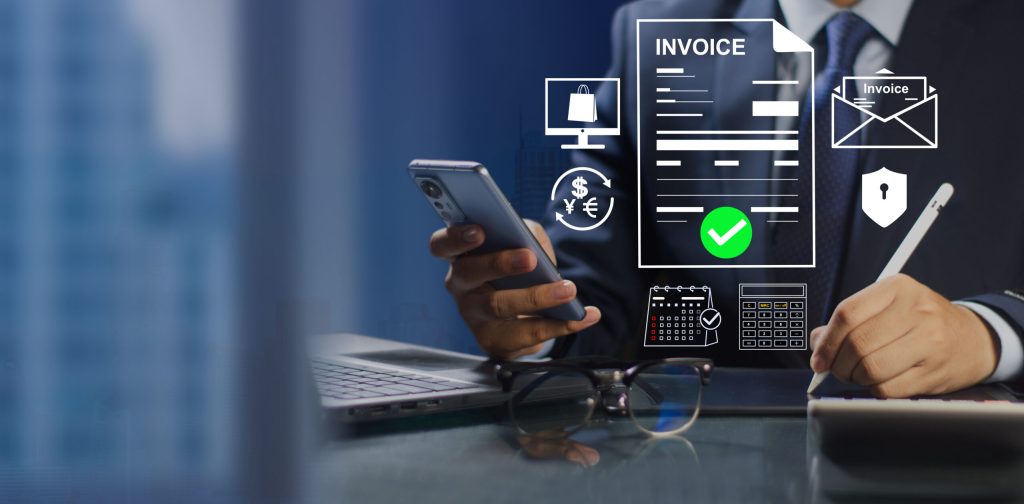
An electronic invoicing platform is a digital system that allows businesses to create, send, receive, and store invoices electronically. Instead of relying on paper invoices or manually created documents, companies can generate professional invoices in a standardized digital format.
These platforms often include features such as automated invoice generation, digital record keeping, secure document exchange, and compliance with government regulations. Because invoices are processed digitally, businesses can reduce paperwork, minimize administrative errors, and maintain a more organized financial workflow.
Unlike traditional invoicing methods, electronic invoicing platforms also support secure business-to-business (B2B) exchanges, allowing companies to send invoices directly to their partners or clients through standardized digital systems.
Why Small Businesses Are Moving Toward Electronic Invoicing
The increasing adoption of electronic invoicing platforms is not just a technological trend—it is also a practical solution to several challenges small businesses face.
1. Reduced Administrative Work
One of the biggest advantages of using an electronic invoicing platform is the reduction in administrative workload. Manual invoicing requires creating documents, sending them individually, tracking payments, and storing records.
With a digital platform, many of these tasks can be automated. Businesses can generate invoices quickly, send them instantly, and maintain an organized digital archive without the need for physical storage.
2. Better Compliance With Digital Regulations
Many governments are introducing new regulations that require businesses to adopt electronic invoicing for tax reporting and transparency. These regulations aim to reduce fraud, improve financial reporting accuracy, and standardize business communication.
Using a dedicated electronic invoicing platform helps businesses stay compliant with these evolving digital obligations. The platform ensures invoices follow required formats and meet the necessary regulatory standards.
3. Faster Payment Cycles
Late payments are a common challenge for small businesses and freelancers. Electronic invoicing platforms can help speed up the payment process by delivering invoices instantly and allowing easier tracking of payment status.
Some platforms also offer automated reminders and payment integrations, making it easier for clients to pay invoices on time. Faster payments mean improved cash flow and better financial stability for small businesses.
4. Improved Organization and Transparency
Managing large volumes of documents can quickly become overwhelming for small organizations. Electronic invoicing platforms help centralize financial documents in one secure digital space.
This makes it easier to search, access, and manage invoices whenever needed. It also improves transparency in financial processes, which can be especially helpful during audits or financial reviews.
5. Accessibility for Small Businesses and Freelancers
One of the key benefits of modern digital solutions is that they are becoming increasingly accessible. In the past, advanced administrative software was often expensive and complicated, making it difficult for smaller organizations to adopt.
Today, initiatives such as EasyBusiness are helping bridge this gap by providing accessible tools and educational resources designed specifically for freelancers, small businesses, and associations. These platforms focus on simplifying administrative processes while supporting entrepreneurs who may not have extensive technical knowledge.
Supporting the Digital Transition for Entrepreneurs
The transition toward digital administration is becoming essential for businesses that want to remain competitive and efficient. However, many entrepreneurs still face challenges when adopting new technologies.
Accessible platforms and educational initiatives are playing a crucial role in supporting this transition. By offering practical guides, easy-to-use tools, and simplified solutions, platforms like EasyBusiness help reduce the complexity often associated with digital transformation.
This approach allows small organizations to adopt electronic invoicing and digital administrative management without needing significant financial or technical resources.
The Future of Business Administration
As digital regulations and technological advancements continue to evolve, electronic invoicing platforms are likely to become a standard part of business operations. For small businesses, adopting these tools early can lead to improved efficiency, better compliance, and stronger financial management.
By simplifying invoicing, reducing administrative burdens, and improving transparency, electronic invoicing platforms are helping entrepreneurs focus less on paperwork and more on innovation, growth, and serving their customers.
For freelancers, associations, and small businesses looking to modernize their administrative processes, embracing digital invoicing is not just a convenience—it is quickly becoming a necessity.
Darin is a wonderful person. He is very nice and always willing to help out! He loves his job because it lets him share interesting things with people who want to know about new developments in the world of technology.